
As I conclude my four-year term as SERVSIG co-chair and welcome Sven Tuzovic into the role, I have been reflecting on what makes this community so special and what gives me confidence about its future.
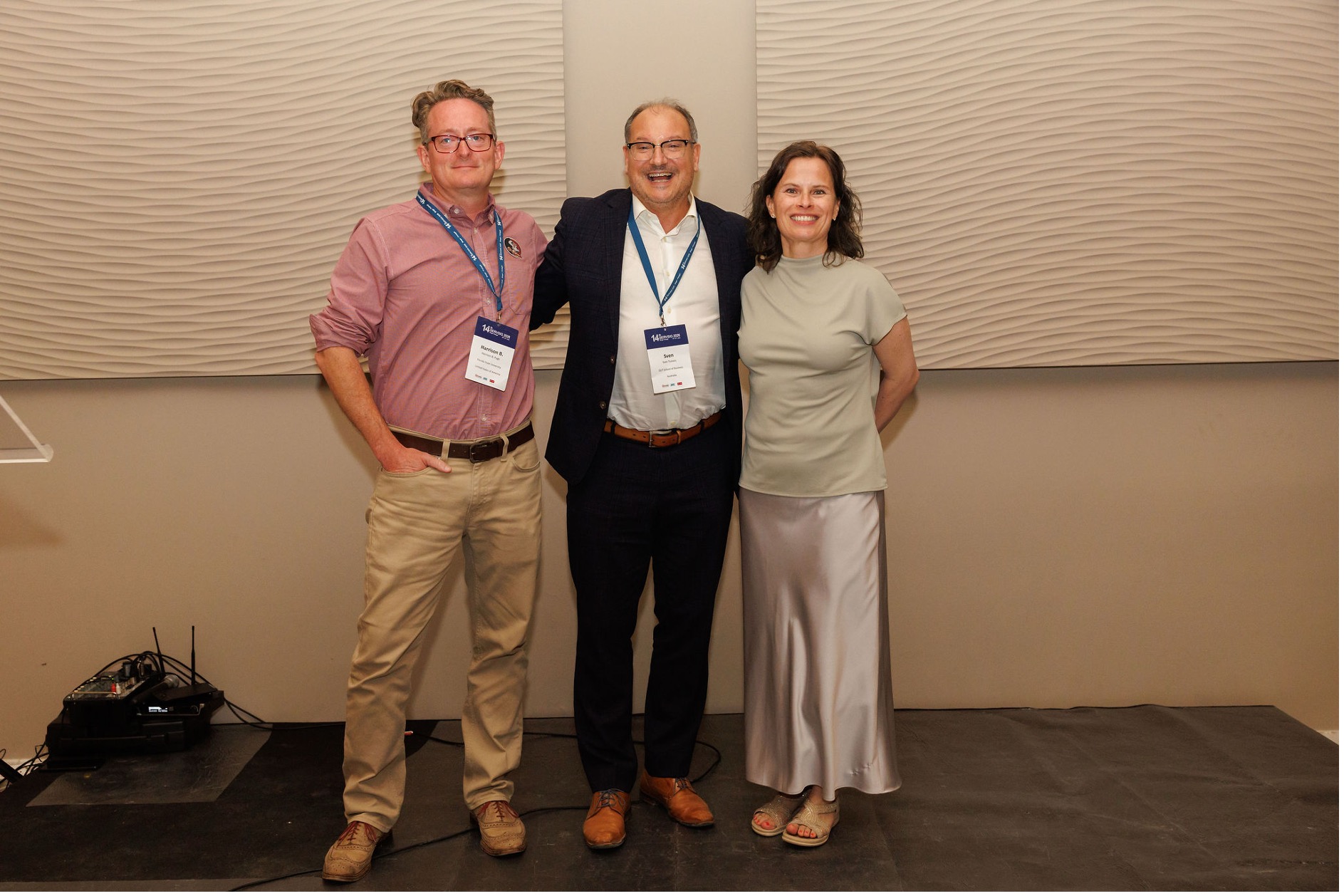
Harrison Pugh (co-chair 2024-2028), Sven Tuzovic (co-chair 2026-2030), Kristina Heinonen (co-chair 2022-2026)
The past four years as SERVSIG co-chair have been part of a much longer journey with the SERVSIG community. Over the years, I have had the opportunity to contribute in different roles and perspectives, which has given me a deep appreciation for both the community itself and the many individuals who help it thrive. Serving as co-chair alongside two outstanding colleagues—first Sertan Kabadayi and then Harrison Pugh—provided a unique vantage point on the many activities, decisions, and contributions that sustain and strengthen our global service research community. Together, we have worked to support a vibrant and truly global community of service scholars, fostering connections across generations, regions, and research traditions while helping SERVSIG remain a welcoming professional home for both established and emerging researchers.
Although many SERVSIG activities are highly visible—from conferences and awards to doctoral events and community initiatives—much of the work takes place behind the scenes. Discussions about future conferences and workshops, the selection of and collaboration with conference hosts, support for new initiatives, engagement with journals, and ongoing conversations about how SERVSIG can best serve its members all contribute to the continued development of our field. These efforts depend on the dedication of many individuals who generously give their time and expertise.
Through my years of involvement with SERVSIG, I have come to appreciate just how much the community relies on that willingness to contribute. The strength of SERVSIG does not come from any individual role or office but from scholars around the world who invest their ideas, energy, and commitment in advancing service research and supporting one another. As co-chair, I have had the privilege of helping facilitate and support some of those efforts.
What has impressed me most throughout the years is the breadth and consistency of that engagement. Across conferences, workshops, committees, reviewing activities, doctoral events, and numerous informal initiatives, people continually step forward to support the community. Whether they are doctoral students attending their first conference, early-career researchers building international networks, or senior scholars helping guide the field, the same spirit of openness and collegiality is evident. That shared commitment remains one of SERVSIG’s greatest strengths.
Looking ahead, I feel optimistic about where SERVSIG stands today. Our community continues to attract active participation and engage new generations of scholars. At the same time, SERVSIG continues to expand its global reach. The decision to hold the 2028 SERVSIG Conference in Tirana reflects an ongoing commitment to bringing service researchers together in new locations and creating opportunities for broader engagement across the international community.
I am equally optimistic about the future of service research. Organizations and societies are grappling with complex challenges related to technology, AI, sustainability, wellbeing, resilience, and inclusion. These developments create important opportunities for service researchers to generate knowledge that is both academically rigorous and societally relevant. Many of these themes are already evident in the research being undertaken by our members and in the conversations taking place across the community.
With this transition, I am delighted to welcome Sven as the next SERVSIG co-chair. I know that SERVSIG will continue to thrive under his leadership, supported by the many dedicated individuals who contribute to this community in different ways.
I am also pleased to remain connected to SERVSIG and to continue supporting the community in a different capacity and through my ongoing engagement in service research.
This therefore feels less like a farewell and more like a natural transition. SERVSIG is a strong, engaged, and forward-looking community. Thank you to everyone who contributes to it and helps make it such a welcoming part of the academic home of service researchers around the world. Thank you Harrison for your partnership, good judgment, and commitment to SERVSIG over these past two years. To Sven, I am pleased to pass the baton to someone so deeply engaged with and committed to the SERVSIG community.
Kristina Heinonen, SERVSIG Co-Chair 2022-2026
