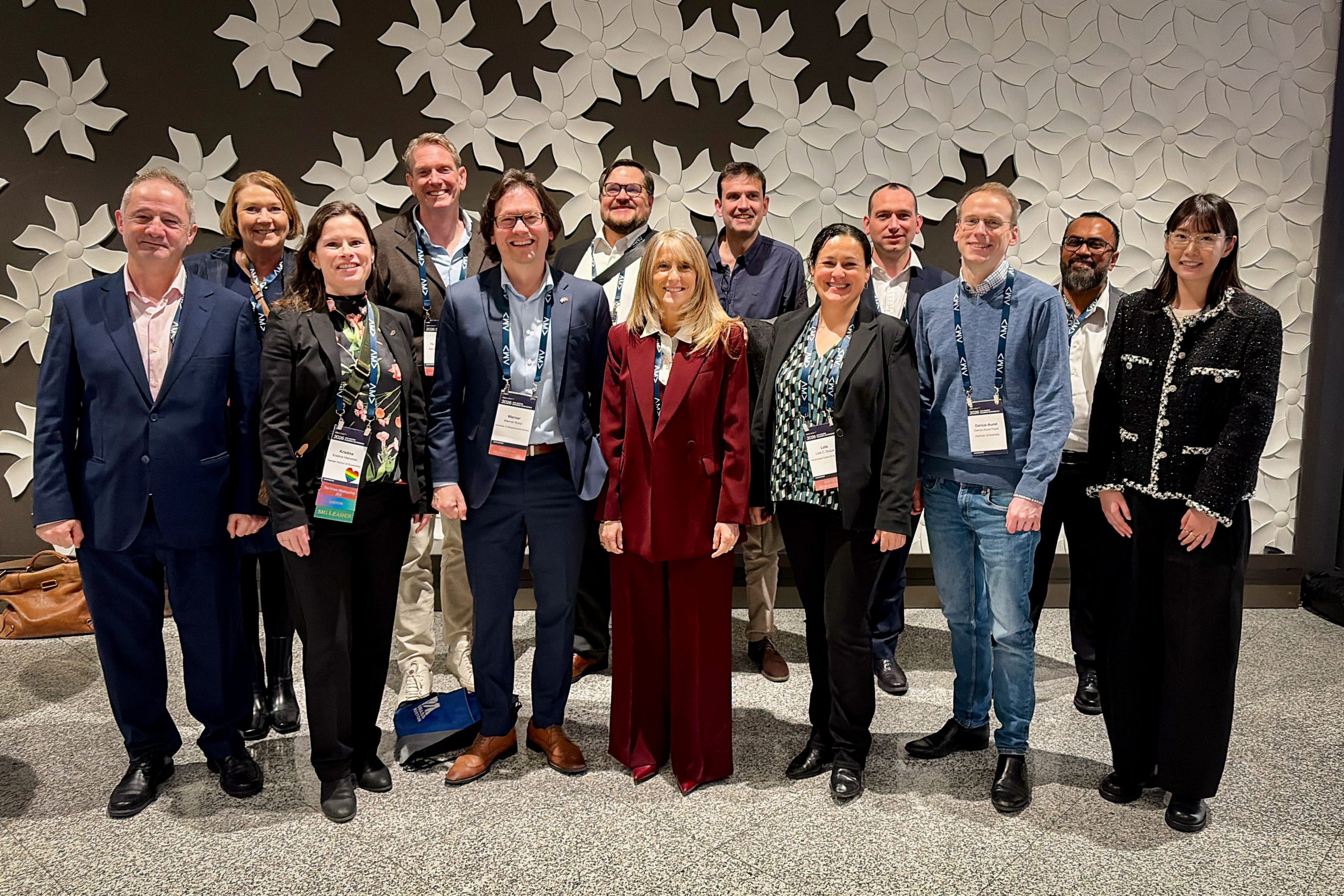
Madrid, February 14, 2026
by Werner Kunz
The 2026 AMA Winter Academic Conference marked a historic milestone as the first-ever Winter AMA held outside the United States in Madrid, Spain. The SERVSIG community made its presence felt strongly, and hosted a Special Session titled “Firm Innovativeness and Service Innovation Through the Customer Lens: Insights, Inspiration, and Collaboration.”
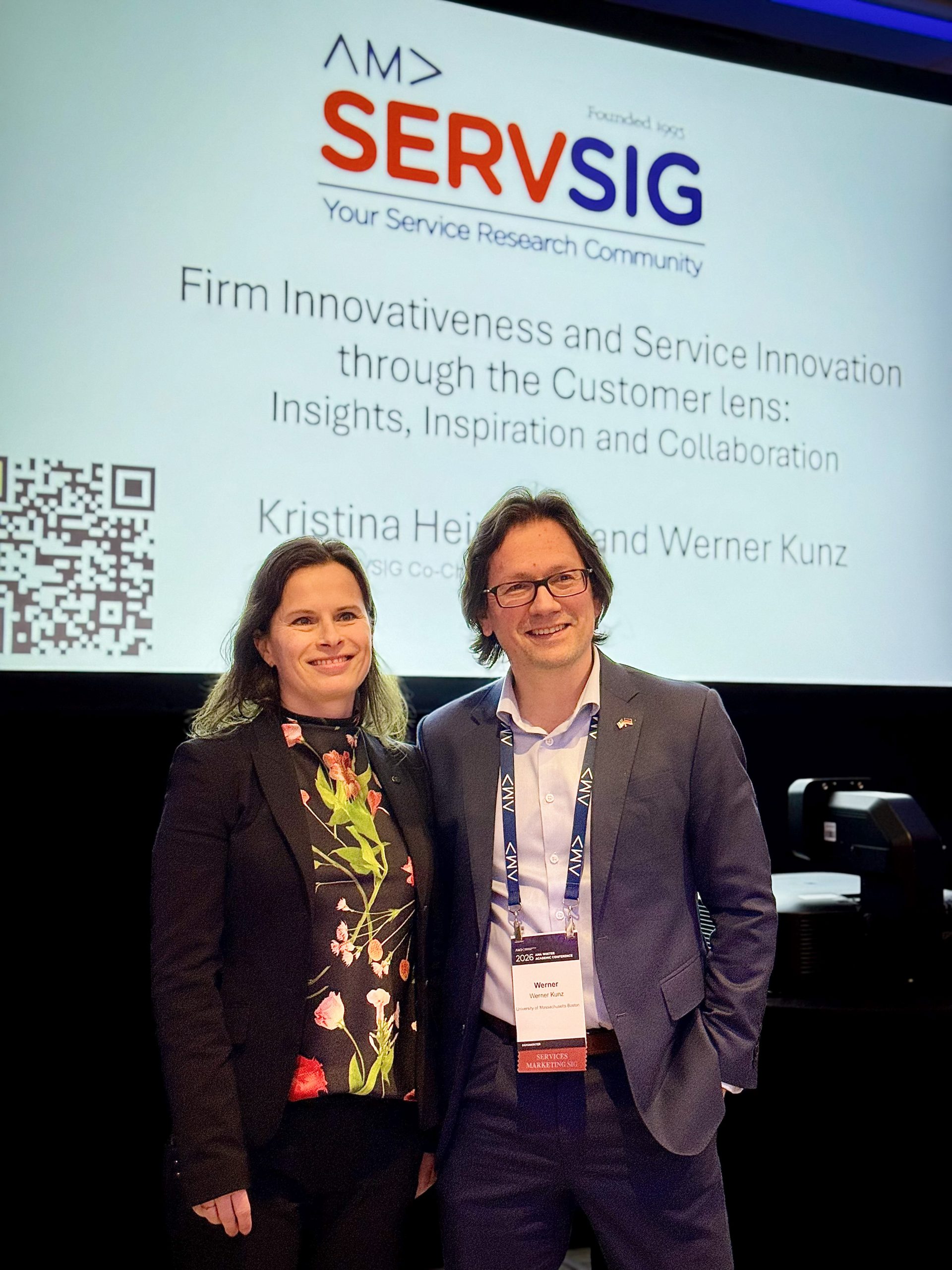
The session was co-chaired by Kristina Heinonen (Hanken School of Economics, Helsinki) and Werner H. Kunz (University of Massachusetts Boston), who brought together scholars from around the globe to advance a fundamentally important idea:
Innovation success is not simply a function of R&D investment or patents – it ultimately depends on how customers perceive a company’s ability to innovate.
The session also served as a showcase for work connected to the Innovation Index Coalition (IIC), an international network of universities that measures customer-perceived firm innovativeness (PFI) across industries and countries every year.
The format was deliberately energizing: five short inspirational talks, each highlighting a distinct angle on customer-perceived innovativeness, followed by a collaborative activity in which attendees mapped research gaps, discussed new methods and measures, and identified cross-cultural and cross-industry opportunities.
Part I: Insights from the Inspirational Talks
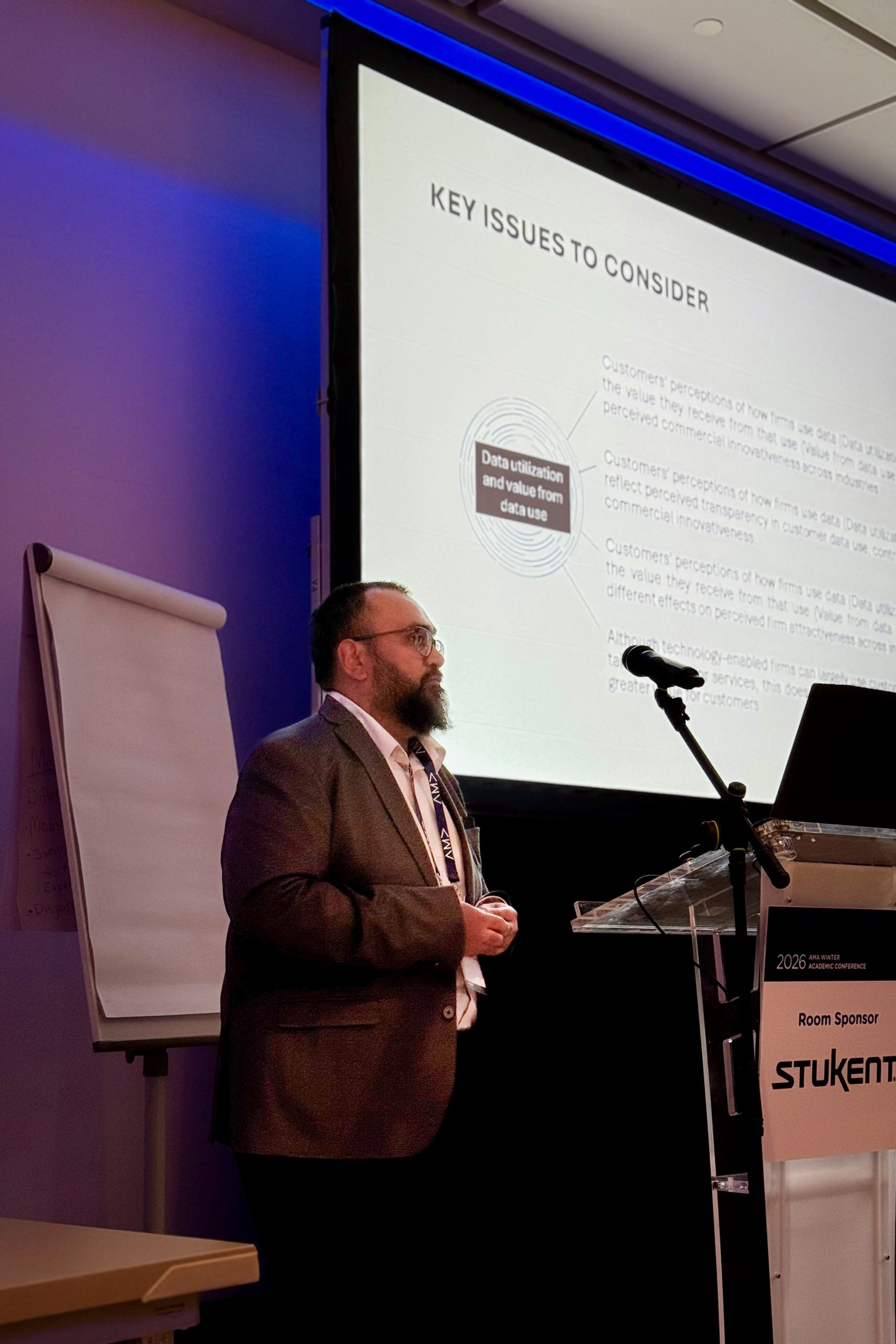
1. Data Use and Firm Evaluations Kristina Heinonen and Arafat Rahman (Hanken School of Economics, Helsinki, Finland) opened the session by addressing the digital elephant in the room: data privacy. Their research using Finnish Innovation Index data revealed that a firm’s data practices – specifically perceptions of fairness and transparency – are now core components of perceived innovativeness. In an AI-driven world, ethical data handling isn’t just a compliance issue; it’s a strategic driver of market attractiveness.
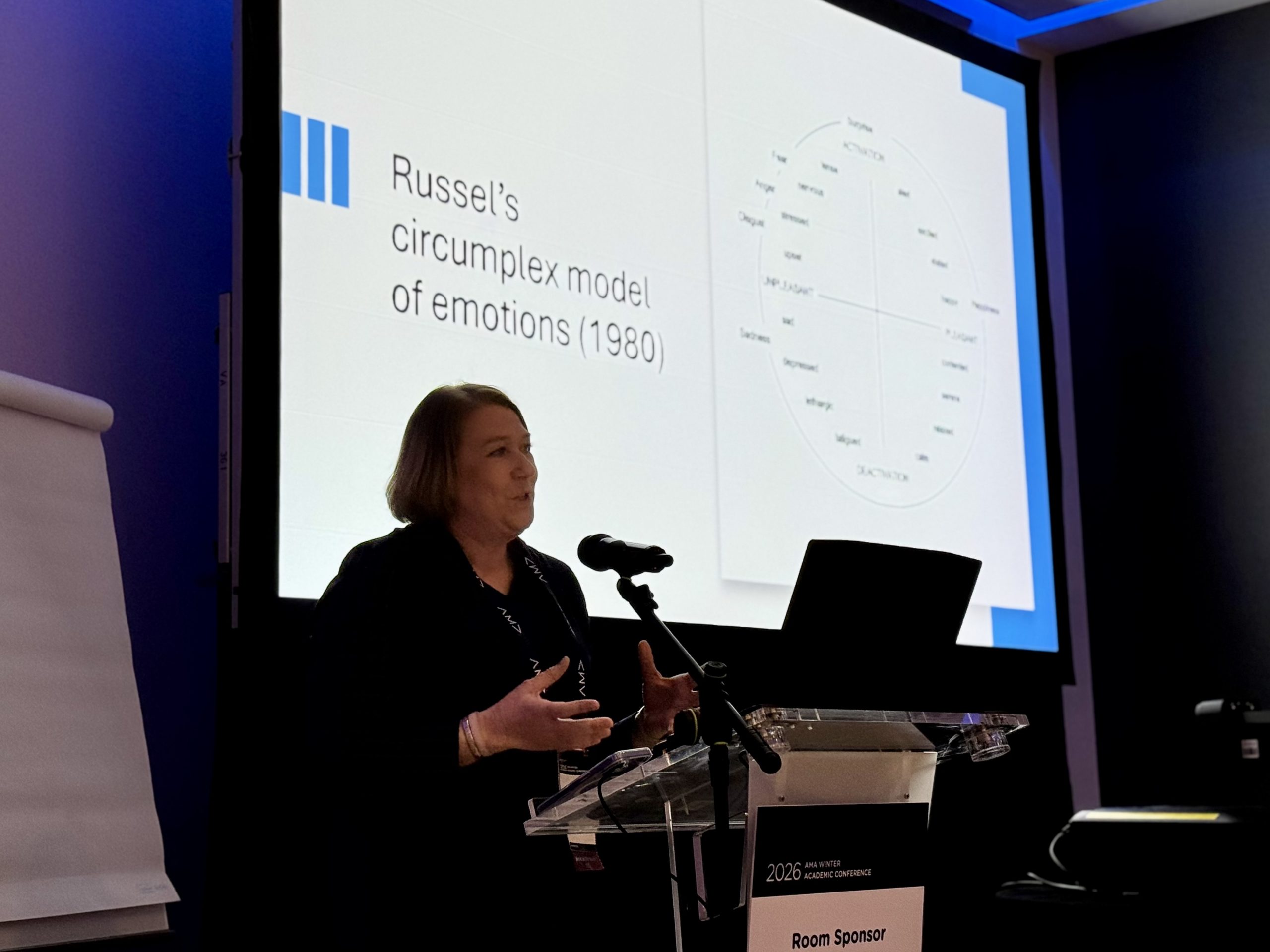
2. The Emotional Side of Innovation Line Lervik-Olsen (Norwegian Business School & NHH) and Seidali Kurtmollaiev (Kristiania University College, University of South-Eastern Norway & NHH) shifted the focus to the heart, investigating how specific emotional reactions (arousal and pleasure) to changes in the “joint customer-firm sphere” influence firm attractiveness. Their study suggests that emotions often act as a more powerful mediator for perceived innovativeness than traditional satisfaction alone, reminding us that innovation must be felt to be valued.
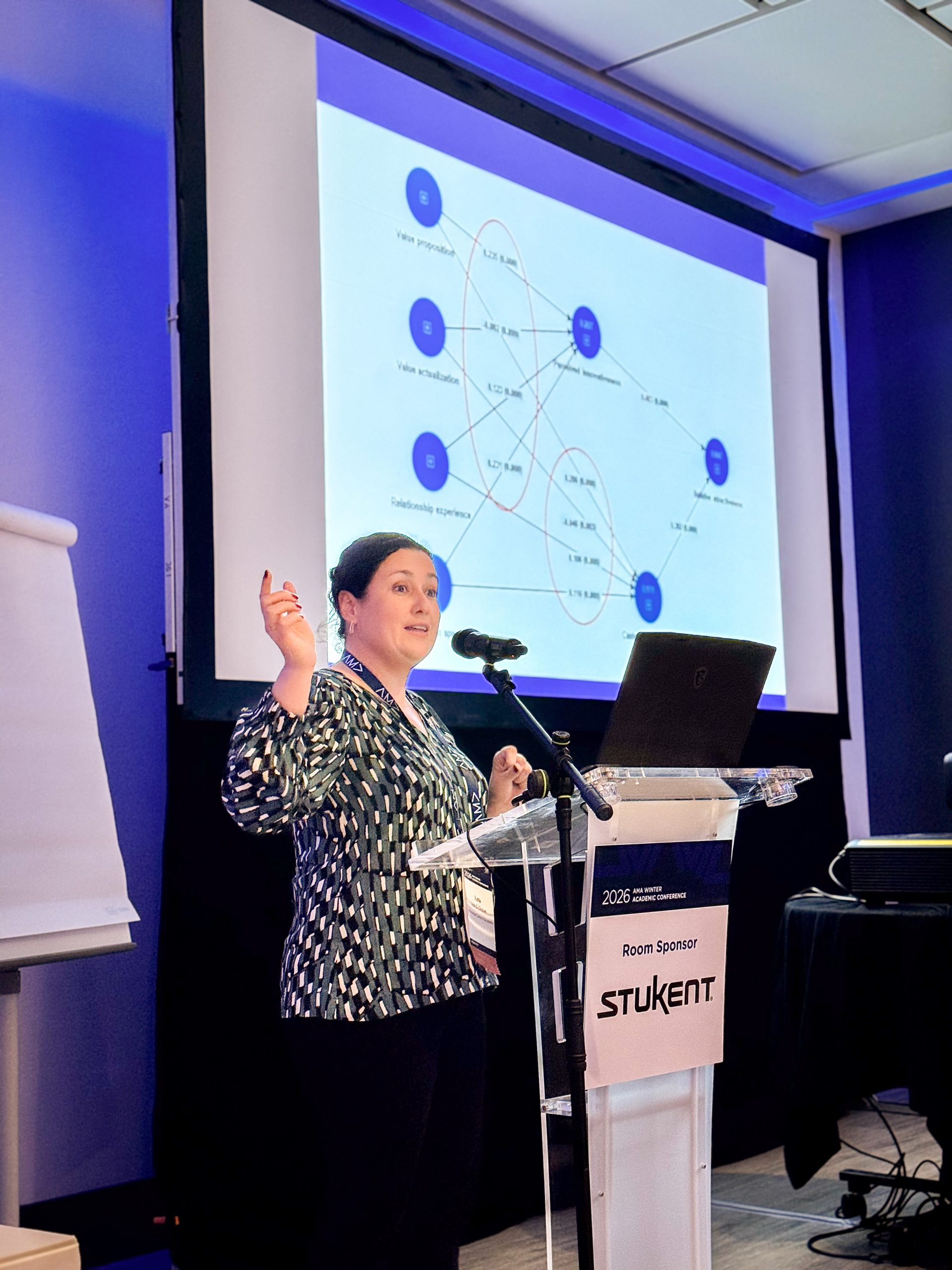
3. Dual Pathways to Attractiveness Lola C. Duque, Luis Santamaría (Universidad Carlos III de Madrid, Spain), and Tor W. Andreassen (NHH Norwegian School of Economics, Norway) presented a compelling cross-cultural comparison between Spain and Norway. They demonstrated how perceived firm innovativeness and customer satisfaction serve as dual engines for market attractiveness. Interestingly, they found that in high-uncertainty-avoidance cultures like Spain, incremental innovations that build trust often outperform disruptive shifts.
4. Sustainability as an Innovation Driver Helle Alsted Søndergaard, Lina Jacobsen, and Darius-Aurel Frank (Aarhus University, Denmark) tackled the intersection of the “Triple Bottom Line” and innovation. Their preliminary results from the Danish market show that while environmental and economic sustainability strongly boost a firm’s innovative image, social sustainability has a more nuanced, and sometimes unexpected, relationship with how customers perceive a company’s ability to innovate.
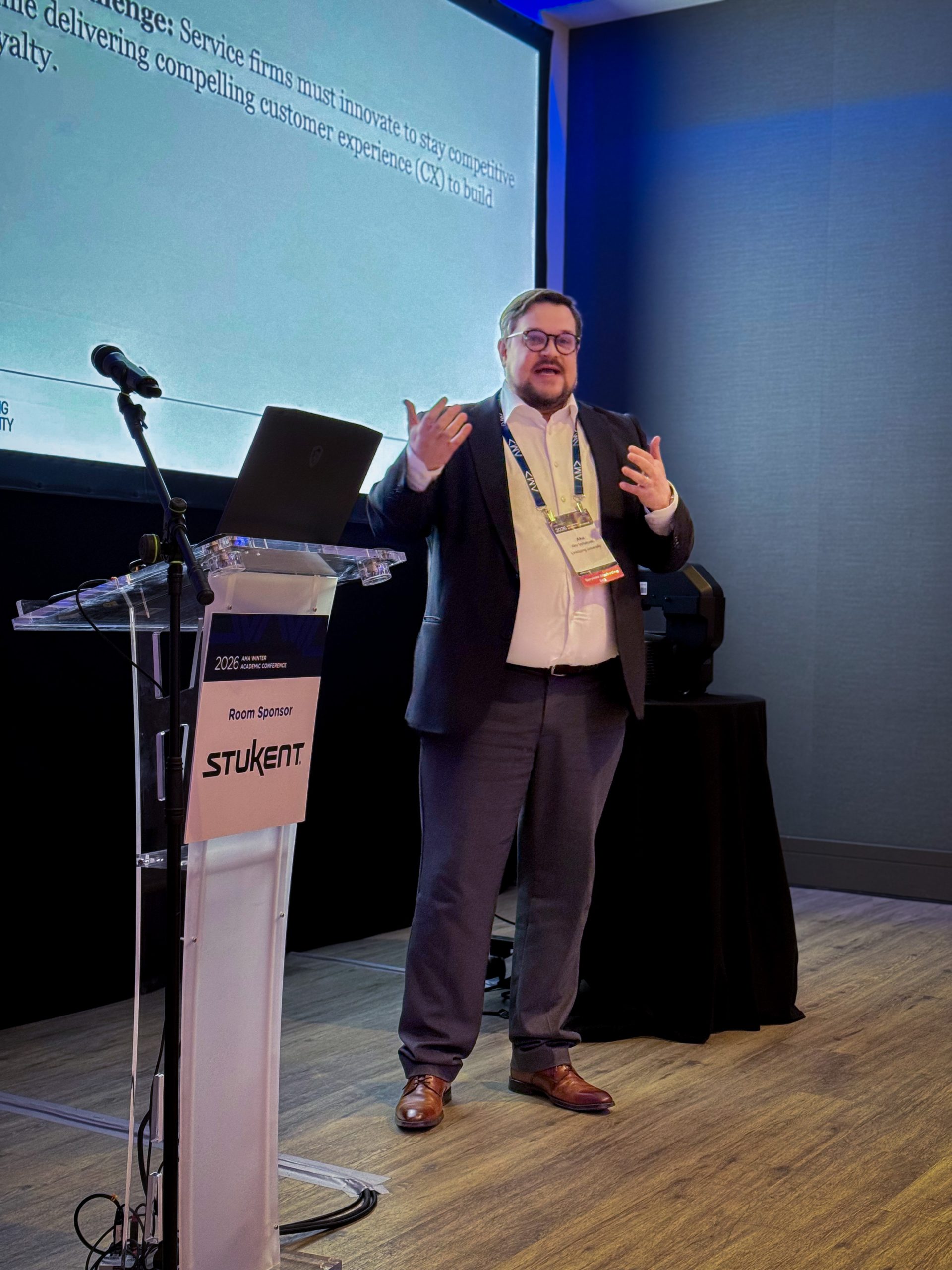
5. Service Firm Innovativeness and CX Aku Valtakoski and Yijun Sui (Linköping University, Sweden) explored the vital link between a firm’s innovative brand and the actual customer experience (CX). Their findings confirm that a firm’s perceived innovativeness enhances CX independently of service quality. This highlights that “checking the boxes” on quality isn’t enough; firms must actively manage their innovative brand image to create truly memorable experiences.
Each talk was enriched by discussant Cristina Mele (Università di Napoli Federico II), Per Kristensson (Karlstad University), Carlos Flavián (University of Zaragoza), Daniel Belanche (University of Zaragoza), and Werner Kunz (University of Massachusetts), whose contributions pushed the dialogue well beyond the individual presentations.
Part II: The Interactive Session – Collaborative Mapping
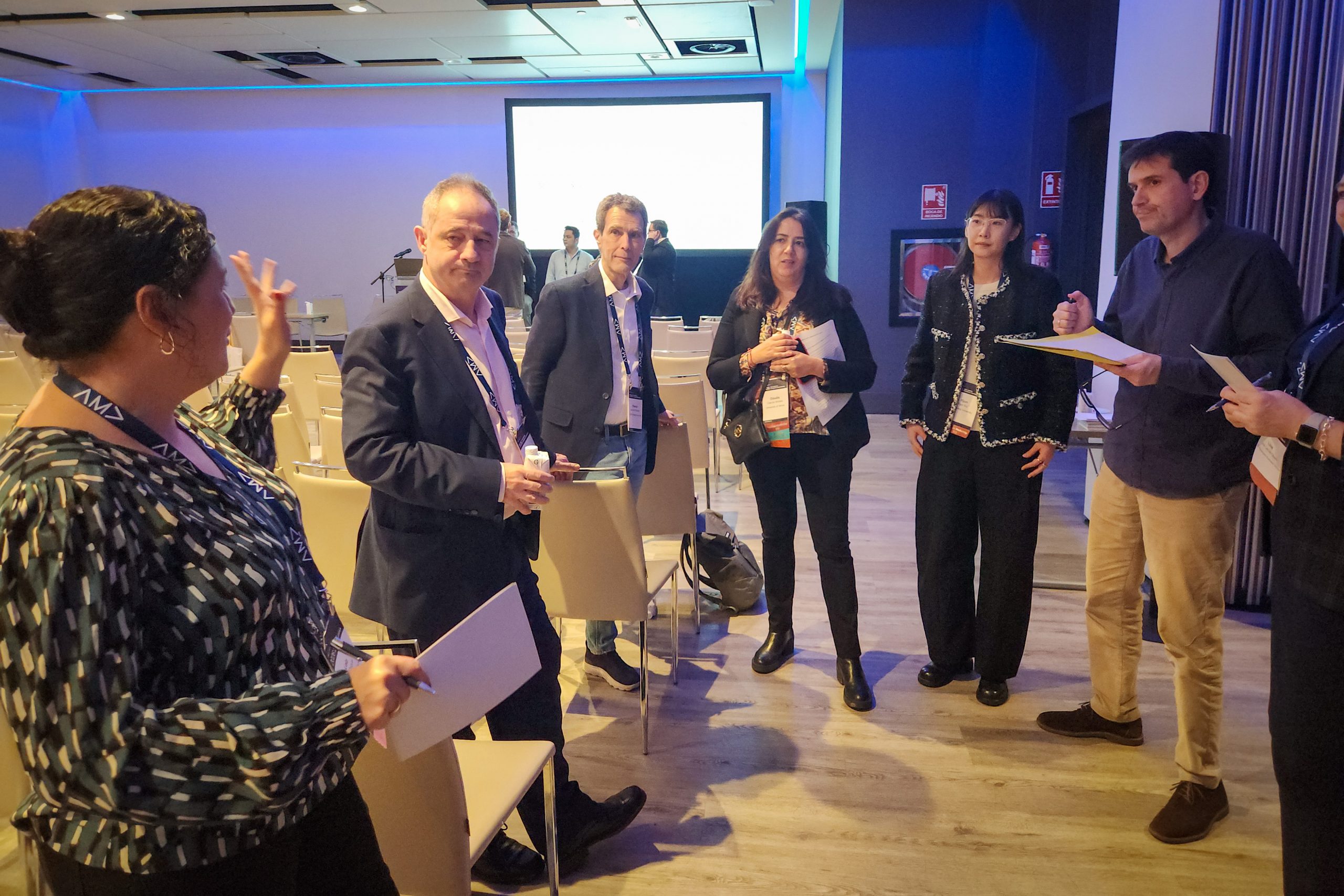
The second half of the session transitioned from “listening” to “doing.” A defining feature of the session was the interactive, collaborative workshop that followed the talks – designed to turn six “spark” presentations into a shared research conversation. Building on the Innovation Index Coalition’s (IIC) network spirit, the chairs guided participants through a structured mapping exercise that made it easy for everyone to contribute – whether they came with a full pipeline in this area or were exploring the topic for the first time.
Many thanks to all speakers, discussants, and participants for making this one of the most engaging sessions of Winter AMA 2026. Special appreciation goes to all attendees who brought their curiosity, critical thinking, and collaborative spirit to Madrid.
We look forward to continuing this conversation – in Helsinki and beyond.