
Guest article by Thomas Leclercq, Wafa Hammedi, Ingrid Poncin and Linda Alkire (Née Nasr)
Health and well-being in the workplace are among the biggest challenges for companies and decision makers because of a multitude of consequences on organizations, employee, and society at large. In the United States, un-wellness at the workplace including chronic diseases, stress, illnesses, and disengagement results in $2.2 trillion annual loss namely 12% of GDP (Global Wellness Institute, 2017). Around 52% of US office workers say they are stressed at work on a daily basis and 60% report that work-related pressure has increased in the past five years (Accountemps survey, 2017). Recent service literature emphasized that the high rates of frontline service employees turnovers are due to extreme levels of stress and anxiety that characterize their jobs. It is especially true for frontline employees who must simultaneously satisfy the needs of both customers and management (Zablah et al., 2012). Accordingly, rethinking employee workplace experience is seen as a key priority in the management field (Colbert, Yee and George, 2016). Therefore several managerial initiatives and mainly HR approaches are introduced to promote positive service climate, work experience, employee empowerment, and are expected to reduce negative emotions (Subarmony et al., 2017). Among these initiatives, a process called “gamification” is increasingly gaining attention from managers and researchers alike (Colbert et al., 2016; Larivière et al., 2017).
Inspired by the popularity of games in general and video games in particular, managers have begun to use the design principles behind games to make the work experience more positive, enjoyable, and fun for their employees, a process called gamification. Huotari and Hamari (2017, p. 25) describe gamification as “a process of enhancing a service with affordances for gameful experience to support users’ overall value creation”. Gamification entails the adoption of the structure, look, and feel of a designed game with the intention of advancing organizational goals, while creating the same experience for participants as if they were playing games. In short, this managerial strategy consists of infusing fun into employees’ daily tasks while enhancing commitment and engagement towards the organizational objectives (Oravec, 2015). Providing more pleasant work experiences is expected to reduce job stress, enhance employees’ abilities, and increase job satisfaction and engagement (Colbert et al., 2016). From a human resources perspective, gamification is seen as a bundle of empowerment, appraisal and recognition systems. This would appeal to companies concerned about the high risks of turnovers and to companies in which the improvement of employee’s well-being is a priority.
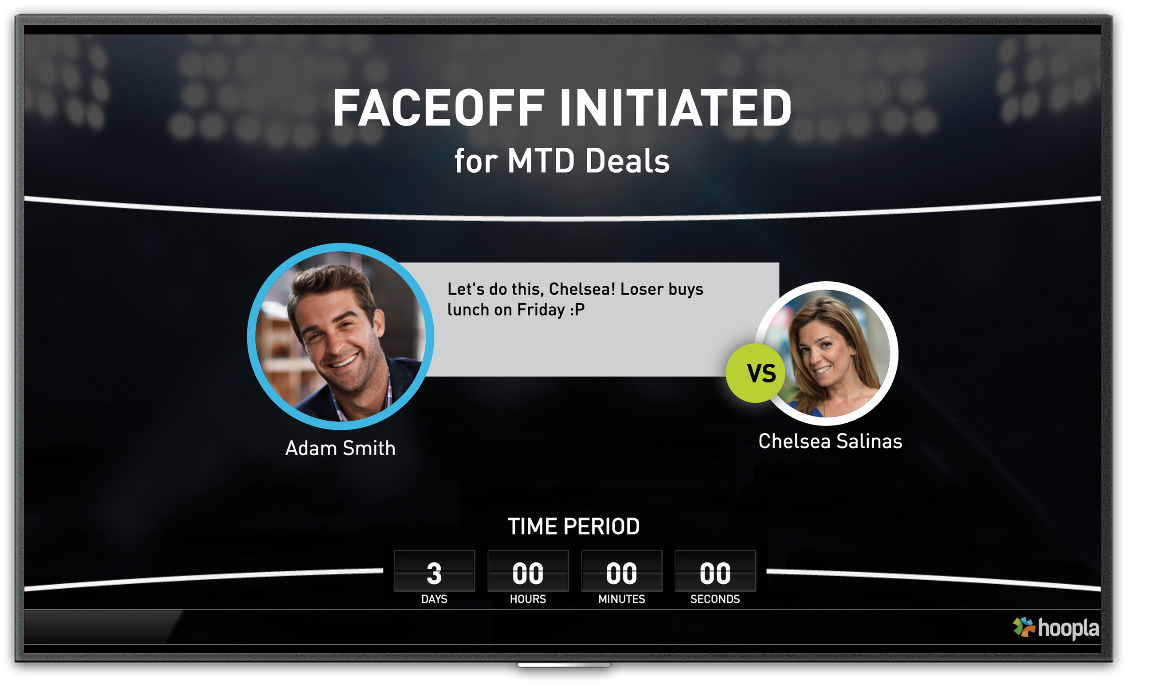
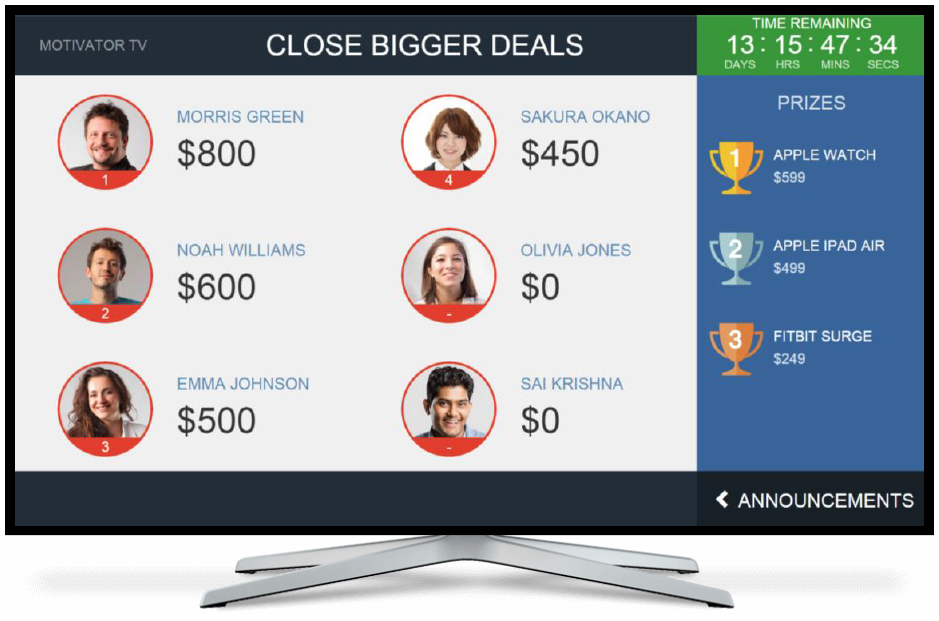
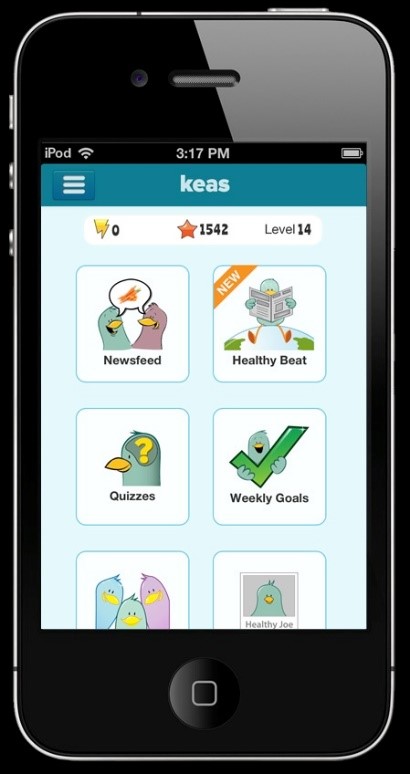 Among the large range of mechanisms that may be transposed from games to non-game contexts, apps designed with contests, lottery and leaderboards are increasingly used by HR professionals. About 70% of Forbes Global 2000 companies use at least one gamification application. Gamification has been highlighted as the practice HR managers want to implement in their teams in the future (Careerarc, 2017). Gamification finds applications in recruitment, e-learning and performance management. For instance, PwC developed and launched Multipoly a gamified platform for their recruitment process (see http://www.multipoly.hu/). Multipoly simulates the first year of work as a PwC employee and gives the opportunity for job applicants to test whether they are ready for the job. Hoopla is another example of gamified HR practice. It consists of an app through which employees gain points for their performances (e.g. sales, calls to customers). They may also challenge their colleagues through contests. Keas is another excellent example of gamified app for employee management. This app includes a system of activity tracking linked to a platform where employees have the opportunity to take part, as a team, in challenges and contests encouraging them to engage in sports and healthy activities. Beyond the positive impacts on employees health, this app aims at improving co-worker relationships and developing a team spirit. It may also enable coaches to improve team management skills by encouraging and leading employees thorough the sport sessions.
Existing literature has confirmed the effectiveness of gamification with regards to several customer related purposes, such as increased customer engagement and technology adoption (Müller-Stewens et al., 2017). Similarly research found that gamification results in enjoyable customer experiences (Hammedi, Leclercq and van Riel, 2017). Nevertheless, to our knowledge little research exists about the role of gamification in the workplace context specially the employee perspective (Vesa et al., 2017). This is especially interesting because, while participation in a gamification remains voluntary for customers (Huotari and Hamari, 2017), in the work context, employees are likely to be obliged to take part in such experiences. Gamification at the workplace is usually imposed by the management (Mollick and Rothbard, 2014; Vesa, 2017). This of course challenges several game related aspects such as voluntary participation (Huotari and Hamari, 2017) and the nature of fun (mandatory fun/ spontaneous fun) (Mollick, 2014). Accordingly, we posit that the employee and customer contexts are hardly comparable. Therefore, further exploration of the role of gamification and its effect on employee experience is crucial and imperative (Vesa, 2017).
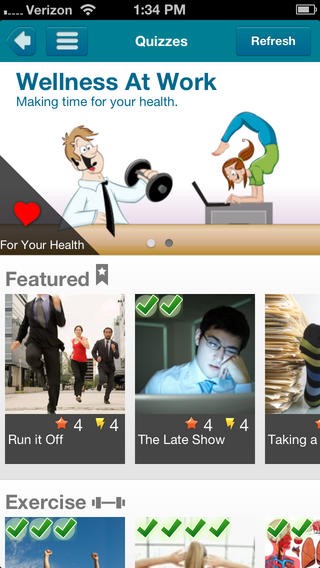 Our ongoing project explores various cases of service firms to examine the impacts of gamification on frontline employees well-being, job engagement, service orientation and perception of organizational climate. Whereas, the optimistic perspective on gamification is dominant and promotes positive outcomes related to conducting daily activities while immersed in pleasant and mind enriching (multiuser or individual) game environments, our research is finding different evidences on the subject. Thanks to strong collaborations with large service companies in Europe, and multiple field studies conducted using a mixed-methods approach, this research project spotlights the potential risks related to the usage of these mechanics on the long run. For instance, while gamification apps meant to increase employees’ productivity and effectiveness at the workplace, our results show that employee productivity and engagement levels are decreasing. Negative effects like for instance addiction to the game instead of the task and the rise of negative emotions and attitudes such as FOMO (“Fear Of Missing Out “) within employees affect their experience and wellbeing in the long term. In addition, our findings show that losing a contest negatively affects co-workers relationship quality and organizational climate, both drivers of job engagement. These results question the effectiveness of gamification, especially when employees loose at a game. This research contributes to the ongoing discussion in both management and service fields specially regarding whether and how gamification affects the creation of a new workplace experience.
 Thomas Leclercq
Assistant Professor, IÉSEG (LEM-CNRS 9921), Lille, France
 Wafa Hammedi
Associate Professor, University of Namur, Namur, Belgium
 Ingrid Poncin
Associate Professor, Louvain School of Management, Mons, Belgium
 Linda Alkire (Née Nasr)
Assistant Professor, Texas State University, Texas, USA
References
Accountemps survey (2017), How to Maximize Employees Productivity, https://www.roberthalf.com/research-and-insights/workplace-research/how-to-maximize-employee-productivity
Chou, Y. (2016), Actionable Gamification beyond points, badges and leaderboards. Fremont: OctalysisMedia
Colbert, A., Yee, N., & George, G. (2016), The digital workforce and the workplace of the future, Academy of management Journal. 59(3), 733-739. Larivière, B., Bowen, D., Andreassen, T., Kunz, W., Sirianni, N., Voss, N., Wuenderlich, N., & DeKeyser, A. (2017), Journal of Business Research, 79, p. 238-246.
Global Wellness Institute (2017), Statistics and Facts, https://globalwellnessinstitute.org/press-room/statistics-and-facts/
Hammedi, W., Leclercq, T., van Riel, A. C. R., (2017), The use of gamification mechanics to increase employee and user engagement in participative healthcare services: A study of two cases. Journal of Service Management, 28, 640-661.
Huotari, K., & Hamari, J. (2017), A definition for gamification: anchoring gamification in the service marketing literature, Electronic Markets, 27(1), 21-31.
Mollick, E., & Rothbard, N. (2014). Mandatory Fun: Consent, Gamification and the Impact of Games at Work, the Wharton School Research Paper Series
Müller-Stewens, J., Schlager, T., Häubl, G., & Herrmann, A. (2017), Gamified Information Presentation and Consumer Adoption of Product Innovations, Journal of Marketing, 81(2), 8-24.
Overavec, J. (2015), Gamification and multi-gamification in the workplace: Expanding the ludic dimensions of work and challenging the work/plat Dichotomy. Cyberpsychology: Journal of Psychosocial Research on Cyberspace, 9(3).
Subramony, M., Ehrhart, K., Groth, M., Holtom, B. C., van Jaarsveld, D. D., Yagil, D., Darabi, T., Walker, D., Bowen, D., Fisk R., & Grönroos, C. (2017). Accelerating employee-related scholarship in service management: Research streams, propositions, and commentaries. Journal of Service Management, 28(5), 837-865.
Vesa, M., Hamari, J., Harviainen, J. T., & Warmelink, H. (2017). Computer games and organization studies. Organization Studies, 38(2), 273-284.
Zablah, A. M., Franke, G. R., Brown, T. J., & Bartholomew, D. E. (2012). How and When Does Customer Orientation Influence Frontline Employee Job Outcomes? A Meta-Analytic Evaluation. Journal of Marketing, 76(3), 21-40.
