
More than 270 scholars, doctoral students, journal editors, practitioners and business leaders gathered in Helsinki for the 2026 Frontiers in Service Conference, hosted by Hanken School of Economics on June 28 to July 2, 2026. Over four days, participants engaged in research presentations, workshops, editorial activities, doctoral development sessions, industry presentations, award ceremonies, and plenary sessions centred around the conference theme: Serving with SISU: Sustainability, Inclusion, and Societal Uplift.
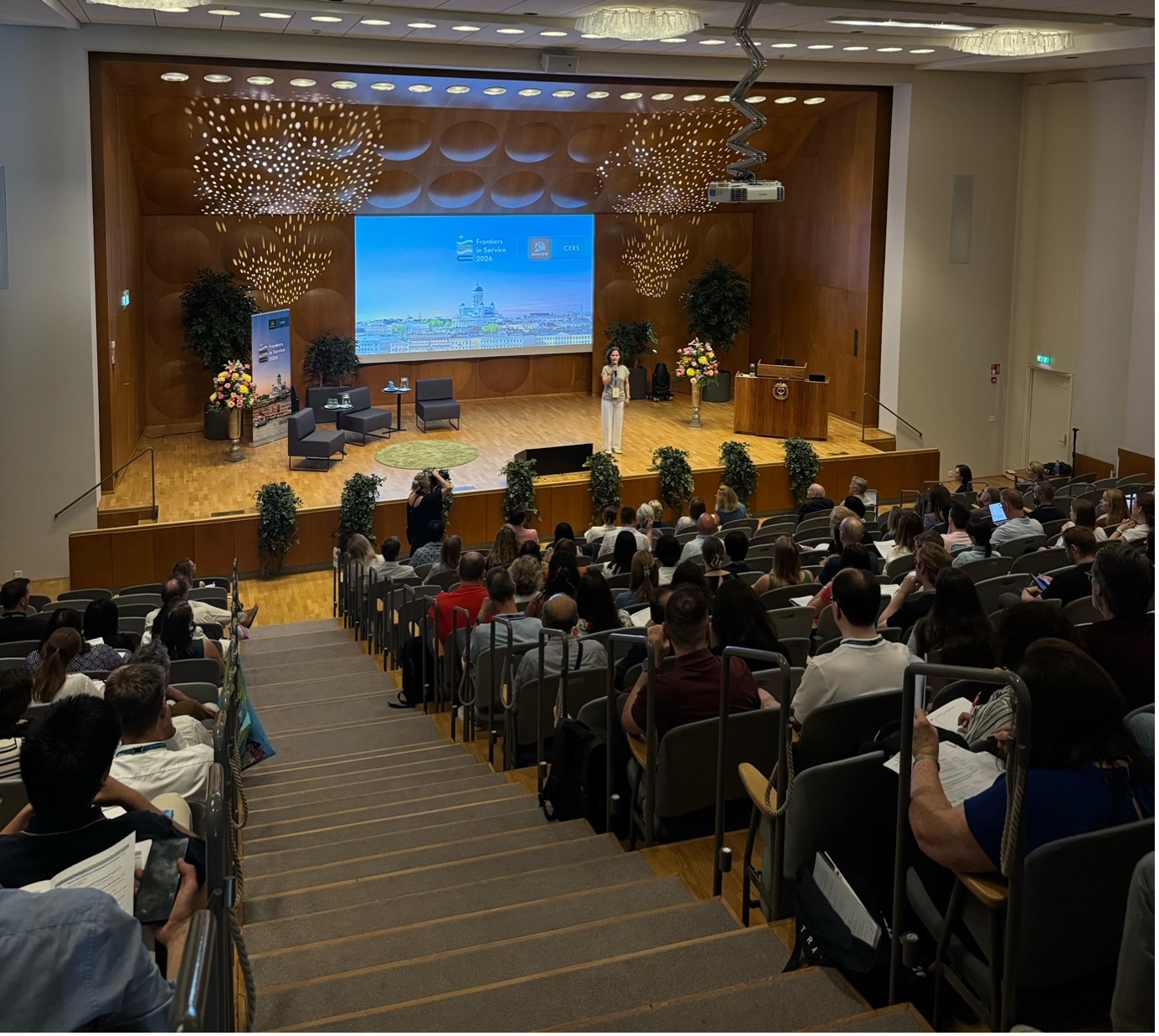
Conference chair Kristina Heinonen opening the 2026 Frontiers in Service conference at Hanken School of Economics
While the conference covered a wide range of topics, discussions repeatedly returned to questions of resilience, innovation, sustainability, wellbeing, and societal impact. Across sessions, plenaries, and informal talks alike, participants explored how people, organizations, and societies can navigate uncertainty while contributing to more sustainable, inclusive, and flourishing futures.
The theme became more than a headline. It became part of the conversation.
Designing for Sustainability, Inclusion, and Connection
From the outset, we wanted the conference theme to influence not only the content of the programme but also the experience surrounding it. Sustainability, inclusion, and societal uplift were not intended as topics to be discussed solely on stage. They were principles we sought to reflect in the way the conference was designed and delivered.
This meant creating opportunities for interaction across career stages, institutions, and sectors. Doctoral students and early-career researchers engaged with journal editors through Meet the Editors sessions, while editorial board meetings and special sessions created opportunities for experienced scholars to reflect on the future of the field. Practitioners, business leaders, and researchers shared perspectives throughout the programme, helping connect academic research with challenges faced by organizations and society.
We sought to create spaces that encouraged interaction beyond formal sessions. Inspired by two iconic Finnish landscapes, Koli National Park and Hanko Beach, these installations quickly became gathering points for conversations, photographs, and moments of immersion in the Finnish context.
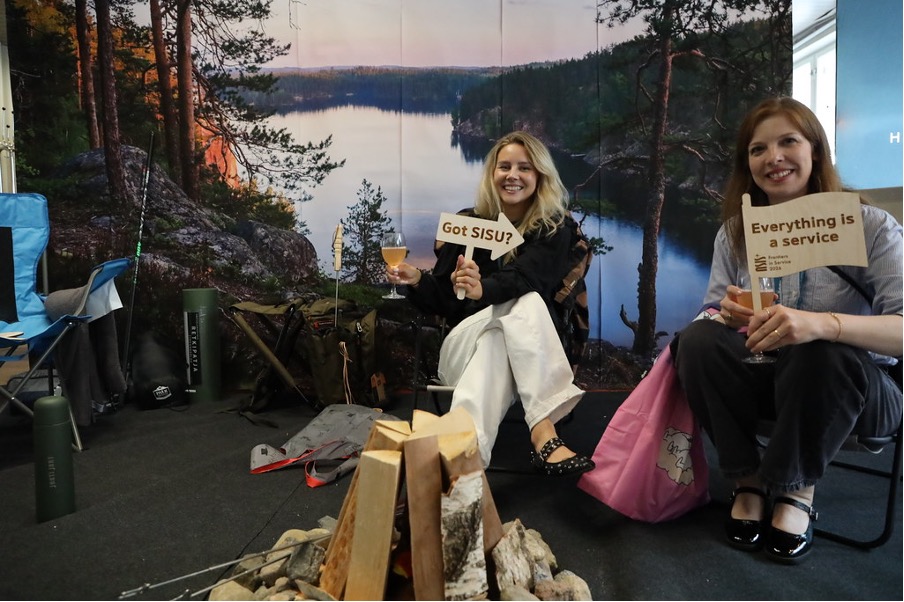
Sisu-experiences in the Koli-inspired installation
This reflected a broader ambition to create a conference that was not only informative, but also relational. Service research advances through scholarship, but equally through the discussions, mentoring, and exchanges that strengthen the community over time. In this sense, the conference itself became an opportunity to put many of the values embedded in the theme into practice.
From Adversity to Flourishing
The conference opened with reflections on adversity, hope, and the deeper meaning of sisu. While sisu is often associated with perseverance and determination in the face of adversity, many of the discussions throughout the week focused less on endurance itself and more on what resilience enables us to build. Through the keynotes of Ulrika Björkstam and Elisabet Lahti, participants were invited to consider resilience not simply as persistence during difficult times, but as a source of meaning, growth, self-leadership, and collective uplift. Björkstam’s powerful personal account of surviving a life-changing accident, together with Lahti’s research on sisu, brought the theme to life in a way that resonated throughout the conference.
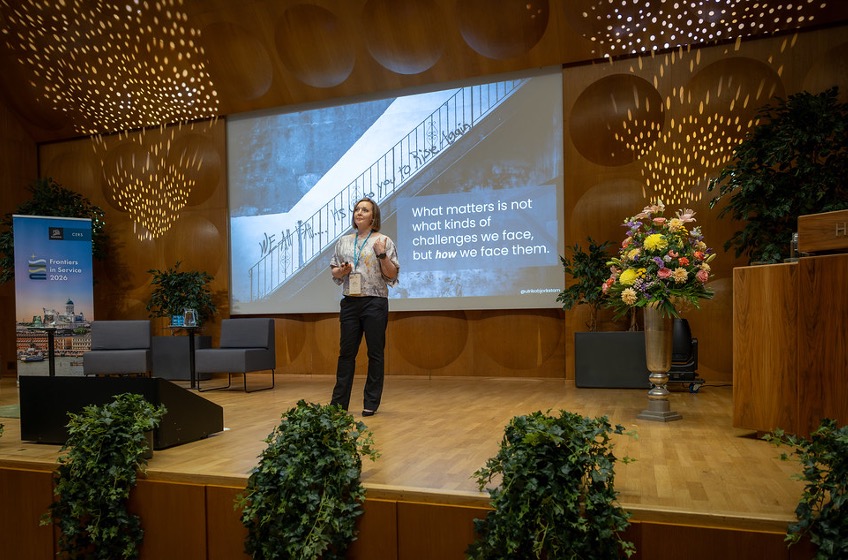
Ulrika Björkstam on a life-changing accident
The theme continued in the second plenary, where the focus expanded beyond the individual level to consider resilience from national, global, and data-related perspectives. At a time marked by geopolitical uncertainty, technological transformation, and increasing societal complexity, the session highlighted the importance of resilience across multiple levels of society.
Attention then shifted toward organizations and innovation. In the fireside chat Innovation Under Pressure: Nordic Firms in an Era of Continuous Disruption, leaders from Fazer Group, Reima Group, and Volvo Group shared how organizations can continue to innovate and create value when uncertainty becomes a persistent condition rather than a temporary disruption. A common thread was that resilience is not only about responding to change, but also about building the capabilities, cultures, and partnerships needed to adapt and innovate over time.
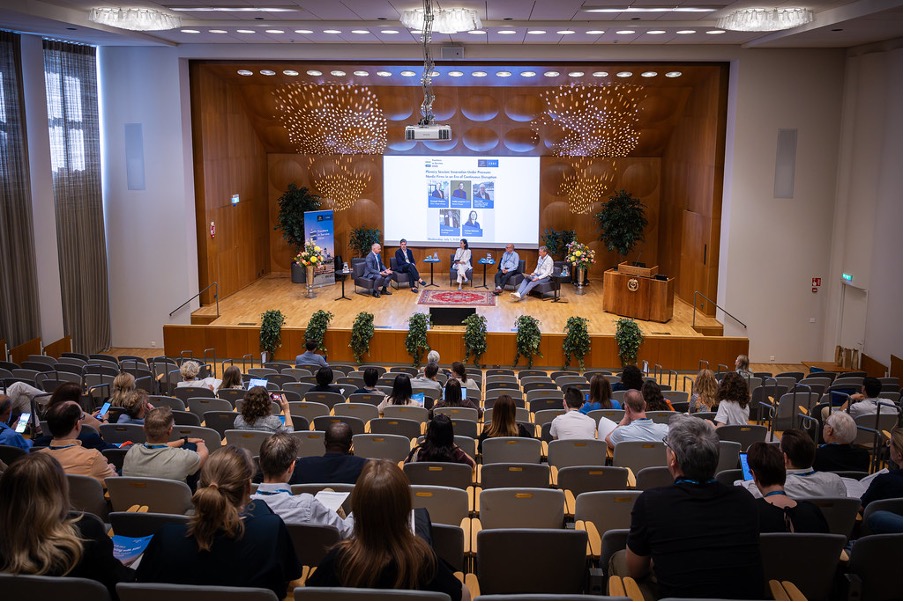
Fireside chat with Nordic business leaders
The next plenary explored sustainability and leadership from a different perspective. Through the insights of Heli Anttila and Jan Vapaavuori, participants reflected on how organizations, leaders, and cities can help create the conditions for more sustainable ways of living and working.
The conference concluded with a deliberately different, yet complementary, perspective. Professors Janne Tienari and Micael Dahlen invited participants to reflect on happiness, generosity, and the broader possibilities of service in society. The session served as a reminder that resilience and innovation are not ends in themselves. Their significance lies in what they enable for people, organizations, and society. Ending the conference this way felt fitting. Discussions about adversity, resilience, innovation, and sustainability ultimately point toward a larger question: what kind of future are we seeking to create?
Revisiting Foundations and Future Directions
While many research presentations focused on emerging societal challenges, the conference also created space to reflect on the foundations and future directions of the field. Special sessions revisited fundamental questions about the nature of service and the concepts that continue to shape service research. One highlight was the Core of Service session, featuring Christian Grönroos with commentaries from Ray Fisk, Janet McColl-Kennedy, and Lia Patrício. The session generated lively engagement and demonstrated that some of the most valuable conversations are not only about where the field is going, but also about the assumptions and principles on which it is built. At the same time, sessions hosted by ServCollab highlighted ongoing efforts to connect service research with societal and practical challenges through collaborative and engaged scholarship.
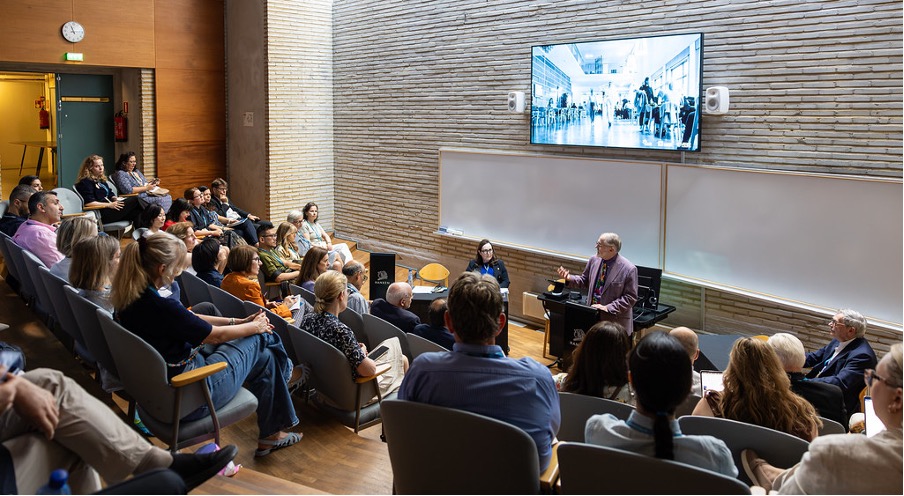
Special Session “Core of Service” featuring Christian Grönroos with Ray Fisk, Janet McColl-Kennedy and Lia Patricio as commentators
Together, these sessions illustrated that progress in a field requires both innovation and reflection. As service research expands into new domains and addresses increasingly complex challenges, questions about its fundamental concepts remain as important as ever.
Advancing the Service Research Community
Beyond the plenaries and special sessions, Frontiers also serves as a gathering place where the service research community reflects on its future, supports its next generation of scholars, and recognises contributions that have helped shape the field. Throughout the conference, participants shared new findings, debated ideas, explored methodological approaches, and identified future research opportunities. At the same time, editorial activities, workshops, and special sessions created opportunities to discuss the development of service scholarship itself.
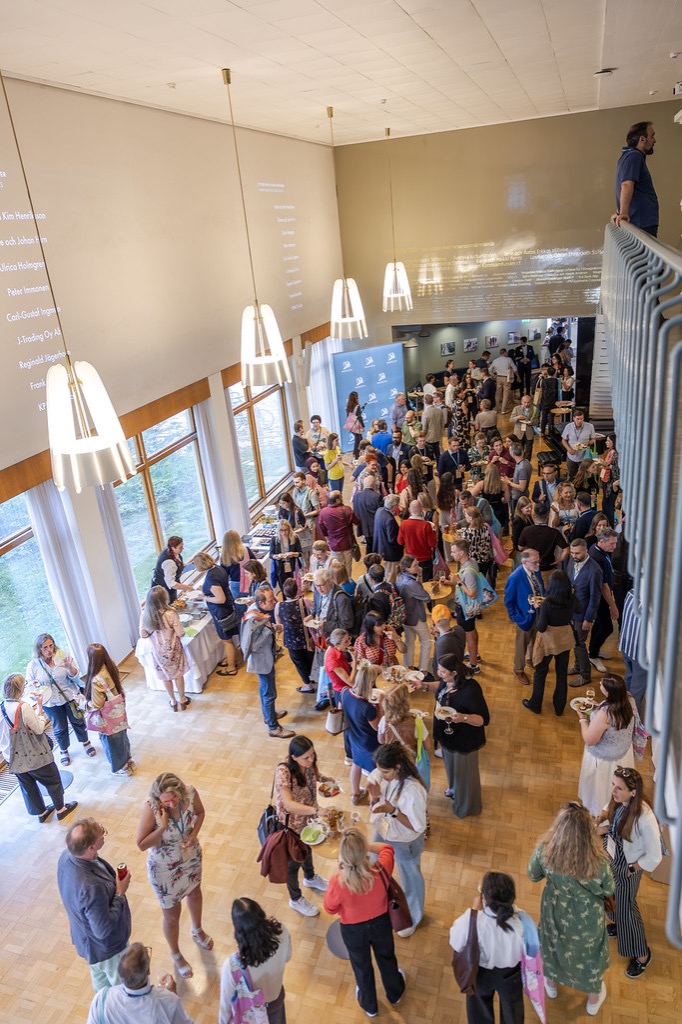
2026 Frontiers in Service opening reception
Editorial board meetings for the Journal of Service Research and the Journal of Services Theory and Practice brought together scholars committed to advancing the field through rigorous and impactful research. The popular Meet the Editors sessions offered doctoral students and established researchers alike valuable insights into publishing, reviewing, and engaging with broader scholarly work.
The SERVSIG Doctoral colloquium and the pre-conference workshops also provided opportunities for mentoring, encouragement, and support across career stages. From doctoral development activities to informal talks between sessions, participants engaged in the kind of exchanges that help sustain an active and collaborative research community.
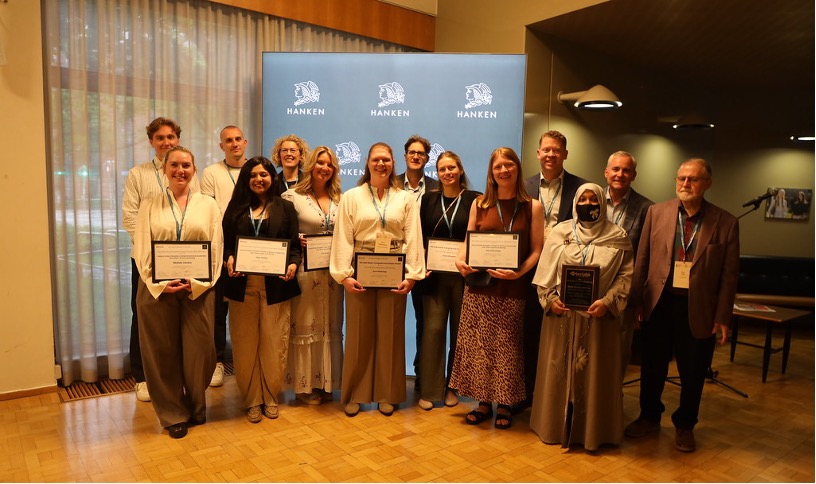
Doctoral researcher award recipients
Recognition formed another important part of the conference. Through a range of awards, the conference celebrated outstanding scholarship, leadership, and service to the field. Among the highlights were the presentation of the Christian Grönroos Service Research Award to Roland T. Rust and the Christopher Lovelock Career Contributions to the Services Discipline Award to Ming-Hui Huang.
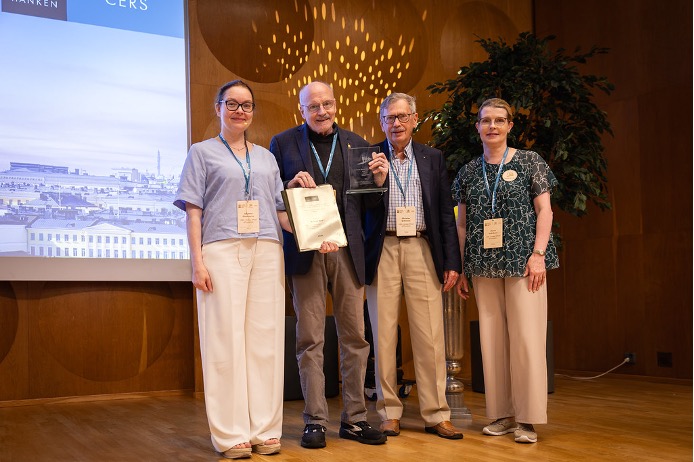
Roland T. Rust winner of the Grönroos Service Research Award
Bringing Finland into the Experience
Academic conferences are often remembered for keynote presentations and research findings. Yet many of the most meaningful moments occurred elsewhere. As hosts, we wanted participants to experience not only the conference itself, but also the place in which it was hosted. The concept of sisu provided one connection point, but it was far from the only one. Installations inspired by Koli Natural Park and Hanko beach became gathering points throughout the week. Local touches, from Finnish hospitality to shared coffee breaks and cultural experiences, helped create an atmosphere that was distinctly rooted in place while remaining internationally welcoming. Our hope was not simply to host a conference in Finland, but to allow Finland to become part of the conference experience.
One image from the week captures this particularly well: participants joining together in a shared toast and song. It was a simple moment, but one that reflected something many attendees commented on throughout the conference—the strong sense of community that continues to characterise service research.
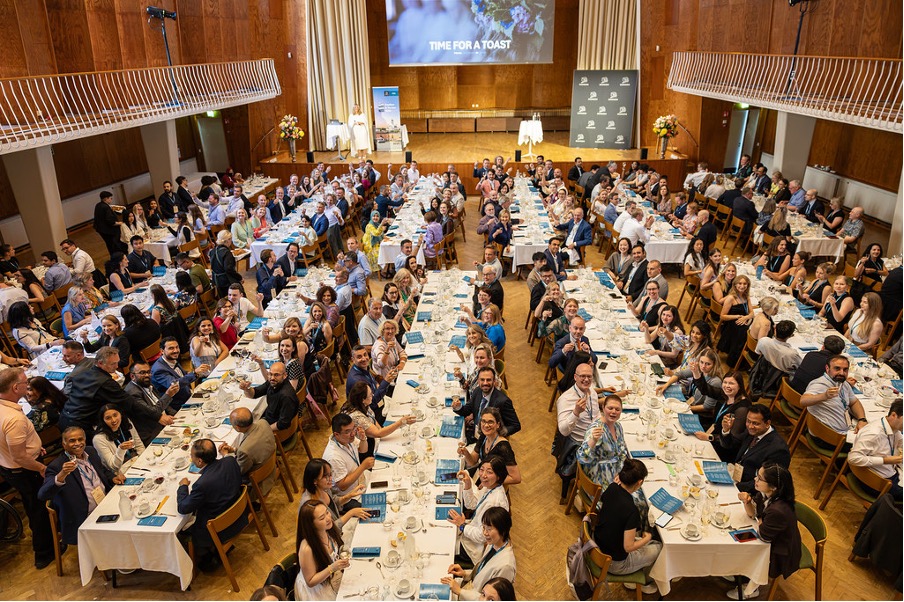
These moments matter because they help transform a collection of presentations into a community of people learning from one another.
Looking Ahead
One of the most rewarding aspects of the 2026 Frontiers in Service conference was seeing how strongly the notion of sisu resonated with participants from around the world. What began as a distinctly Finnish concept became a recurring point of reference in discussions about resilience, innovation, sustainability, wellbeing, and societal impact.
Perhaps this is because sisu is both distinctly Finnish and surprisingly universal. While rooted in a particular cultural context, it offers a way of thinking about how individuals, organizations, and societies respond to challenges and continue moving forward.
We hope those reflections continue to inspire long after Frontiers 2026 has concluded.
Conference website: https://www.hanken.fi/en/departments-centres/department-marketing/research-center-cers/2026-frontiers-service
Kristina Heinonen, Robert Ciuchita, and Johanna Gummerus
Frontiers in Service 2026 Conference Chair and Co-Chairs
